How we utilize Google PageSpeed Insight for SEO
Google PageSpeed Insight is a speed test tool that measures website performance on mobile and desktop. It generates a score to evaluate SEO and suggest improvements.
AI-assisted summary, reviewed by Hypthon
- PageSpeed Insights helps teams identify performance issues and prioritize improvements.
- Hypthon’s example combines selective JavaScript loading with image optimization to improve a visually demanding website.
- Use performance reports to guide improvements; diagnostic scores alone do not establish search rankings.
Performance SEO
4 min read
By Hypthon
Published: 8 June, 2023

What is Google PageSpeed Insight?
Google PageSpeed Insights (PSI) is a speed test tool that measures the running speed of your website on devices like mobile and desktop. It will generate a detailed insight report with a score ranging from 0 to 100: the higher your score is, the better your website performs. The PSI score is used to evaluate the efficiency of your website and compare it with the industrial standard, so you can know your website’s SEO level and discover ways to make it more favorable to Google’s ranking algorithms.
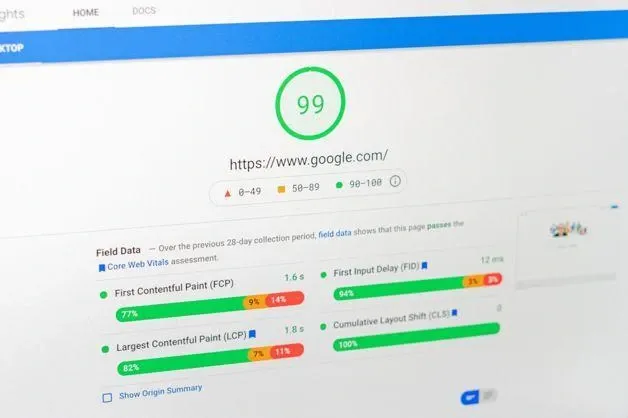
Here is an example from our previous projects demonstrating how we utilize the PSI report to explore constructive solutions for improving users’ browsing experience.
Case Study: The magic behind a 98 PSI score
Our client requested to build a heavily animated long-scroll website with fancy scrolling effects and plenty of images. Despite the burden, we managed to reach a high SEO score of over 90, which makes the website among the top 10% of the best technically optimized websites with excellent searchability and user experience.
01. Progressive Enhancement / Partial Hydration
Offered by Astro.js, it converts most of the website to fast and static HTML and gives the flexibility to load JavaScript when needed only, which allows users with older devices to experience a smooth and functional website within the limited capabilities. You can even specify exactly how and when the components are rendered, like loading demanding parts only when it’s visible on the page. It also enables parallel loading, which loads components with higher priority first without waiting for the others.
In short, “If the user never sees it, it never loads.”

Figure 1: JavaScript and image files are only loaded when they are needed. View full-size image.
View reference: Astro islands architecture
02. Convert images to AVIF format automatically
Unlike the relatively outdated JPEG and PNG image formats, the brand new AV1 Image File Format (AVIF) enhances website performance by providing the following advantages:
- Reduced file sizes: Better image encoding is used for faster page loading times and reduced bandwidth usage
- Higher image quality: Preserve more details and colors in the image with its advanced compression algorithm
- Improved user experience: Increase user satisfaction and willingness to stay on a website
- Future-proof: Use new and emerging technology that guarantees a functional website in the future
Also, this feature can be easily maintained as the image component will automatically optimize all the images on the website with specified width, height, aspect ratio and output format.
Exceptional PSI score achieved
The result was outstanding thanks to the feasible advice from our specialists. The above strategies drastically reduced the loading time, which strengthened the website performance, accessibility, and SEO ranking.
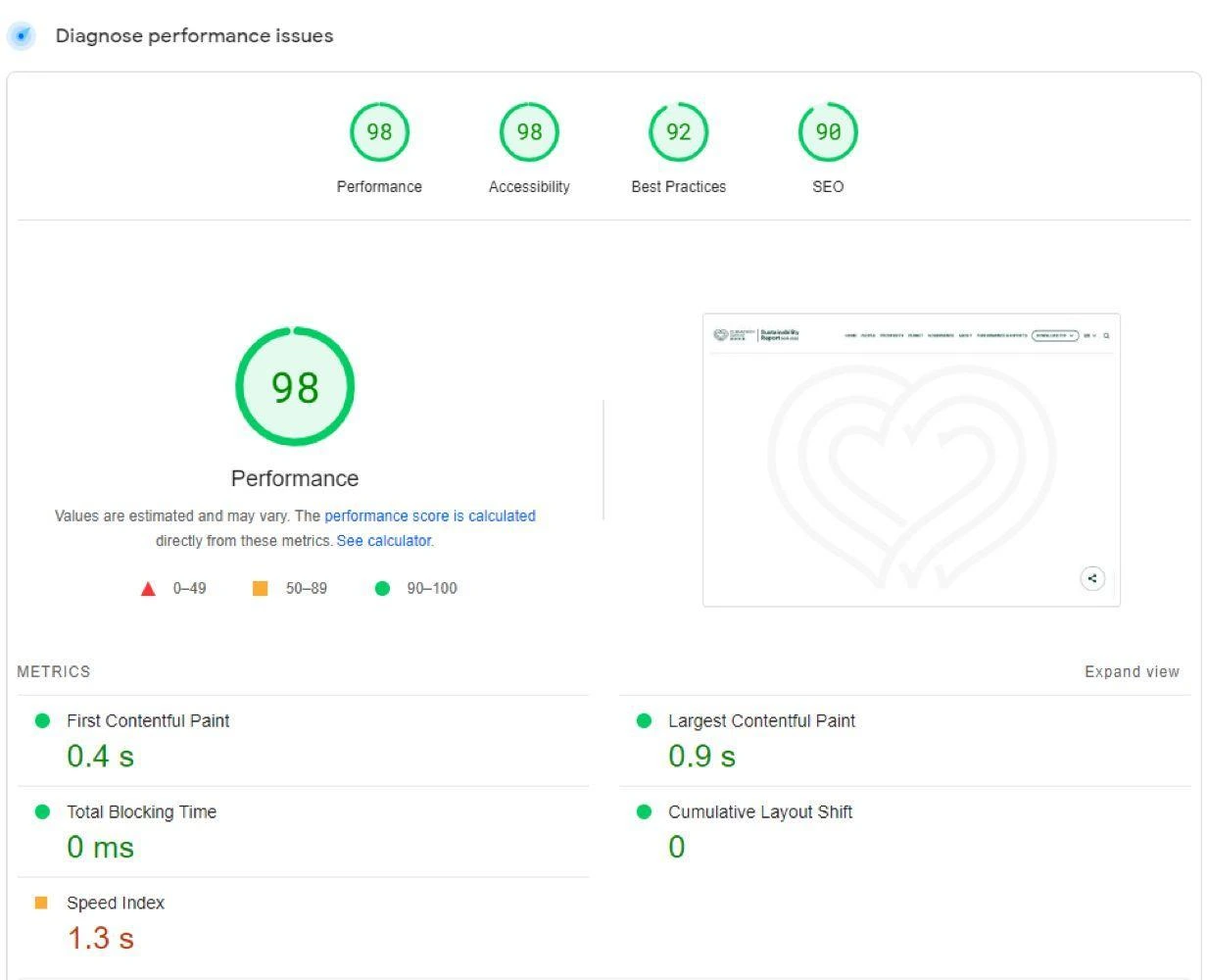
Figure 2: The final PSI score after applying the above strategies. View full-size image.
Impressed by the result?
Everyone, even your competitors, is fighting to reach closer to the 100/100 perfect score. Contact us to help you stand out from the crowd with a high PSI score and win the SEO game! We provide all sorts of tailor-made digital solutions catering to your needs for escalating your business to the next level.